ONCE UPON A TIME, UNDERNEATH THE MEDITERRANEAN SUN, THERE WAS A QUEEN
CORFU – THE QUEEN OF THE IONIAN SEA
A green, fairy tale island with emerald beaches, travels thousands of years now in the Mediterranean.
Corfu, the mythical island that, according to Homer, enchanted legendary Ulysses.
Ancient Greece, Byzantium, the tradition of Venice aristocrats, the greatness of the British Empire and the flame of the French Revolution, they have all met here, on the beautiful island of the Phaeacians of King Alkinoos.
A coveted island, located between the Adriatic and the Mediterranean, the first stop on the way to the West, which was claimed by the ancient Corinthians, Roman Catholics, Byzantines, Venetians, French, British and Ottomans.
A unique crossroads of cultures, where trade and Art developed and offered a strong economic and spiritual independence to the inhabitants while making them at the same time open to various artistic and spiritual influences.
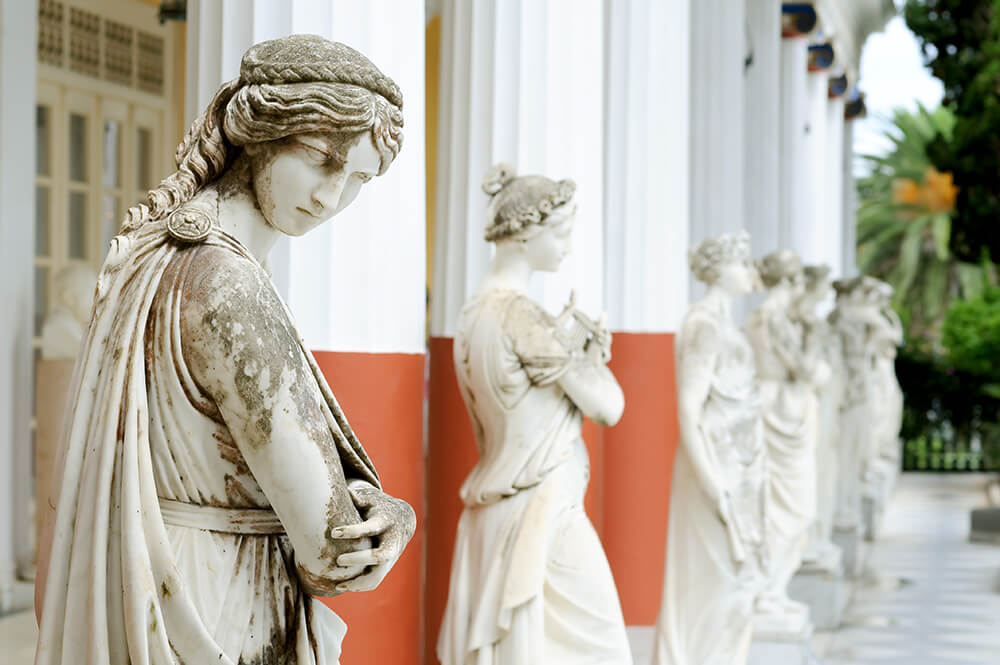
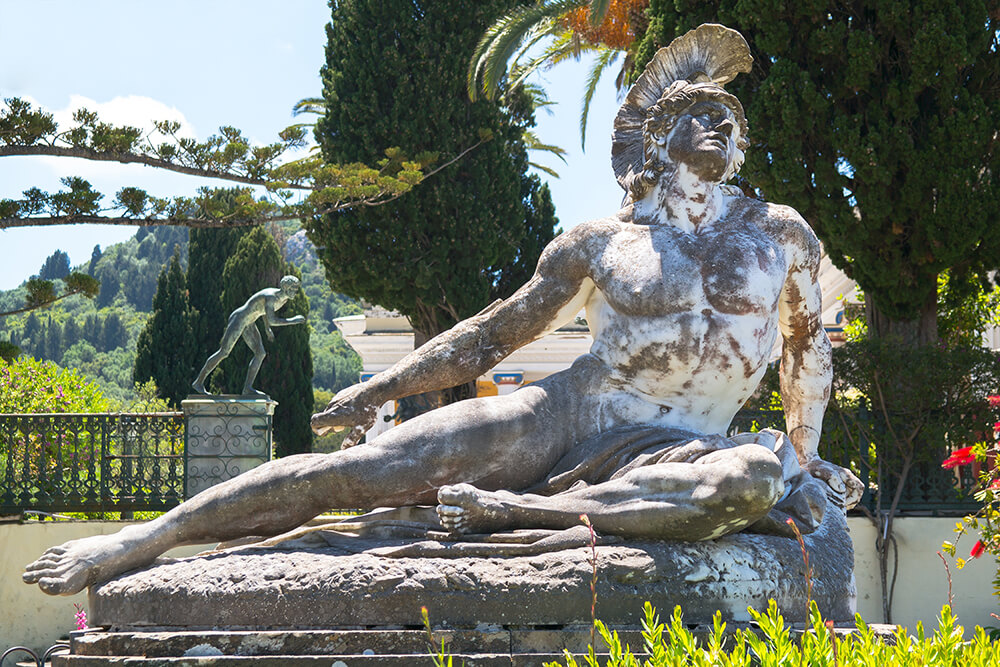
ΝΟBILITY – THE HERITAGE OF PHAEACIANS PEOPLE
According to Homer, the people of the Phaeacians were a deeply civilized, noble people.
In contrast to other warlike tribes, the ancient Greek inhabitants of Corfu were top seafaring travelers, diligent merchants, excellent athletes and unique bon viveurs, as stated by their performance in dancing and singing.
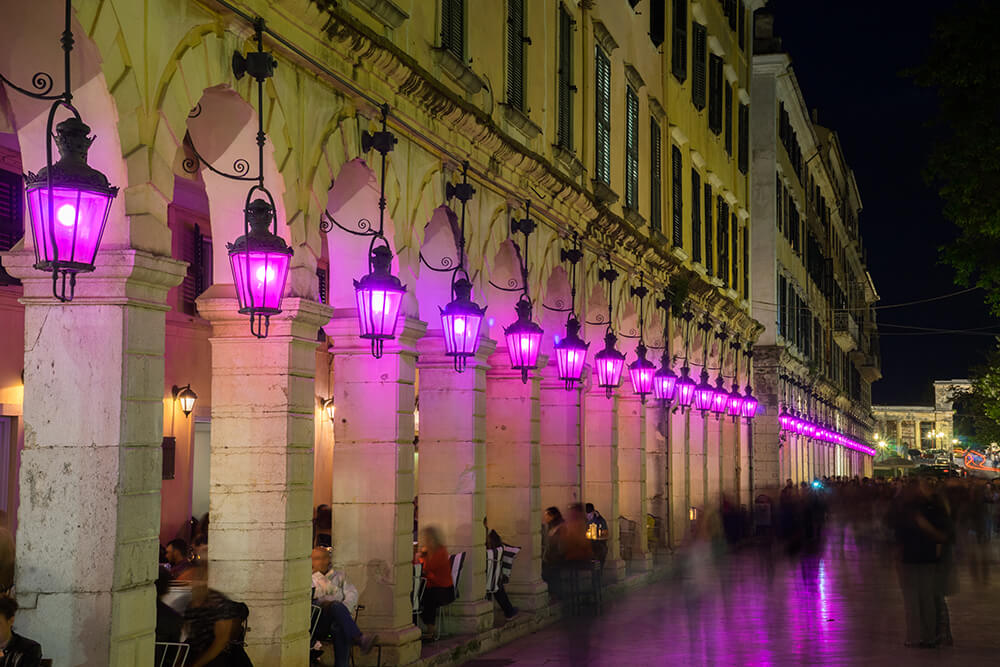
CULTURE – THE LEGACY OF VENICE
Venice, which was the protector of the island for four centuries before its independence, has left its mark on the countenance of the island even to this day.
The Venetian influence is evident in every level of Corfiot’s life, first shaping the social structures by applying the system of the nobles and Libro D’ Oro and by influencing the architecture, administration, productive structures, trade, Arts, language, and gastronomy.
An island with a huge cultural heritage and unsurpassed natural beauty that has been a refuge and resort for kings and nobles from all over Europe.
In this place kindness is expressed in every way, in the speech of the people that resembles singing, in their walking that resembles dancing and in their daily cuisine that resembles a gastronomic ritual.
CORFU – THE LAND OF LITTLE LANIOLIA
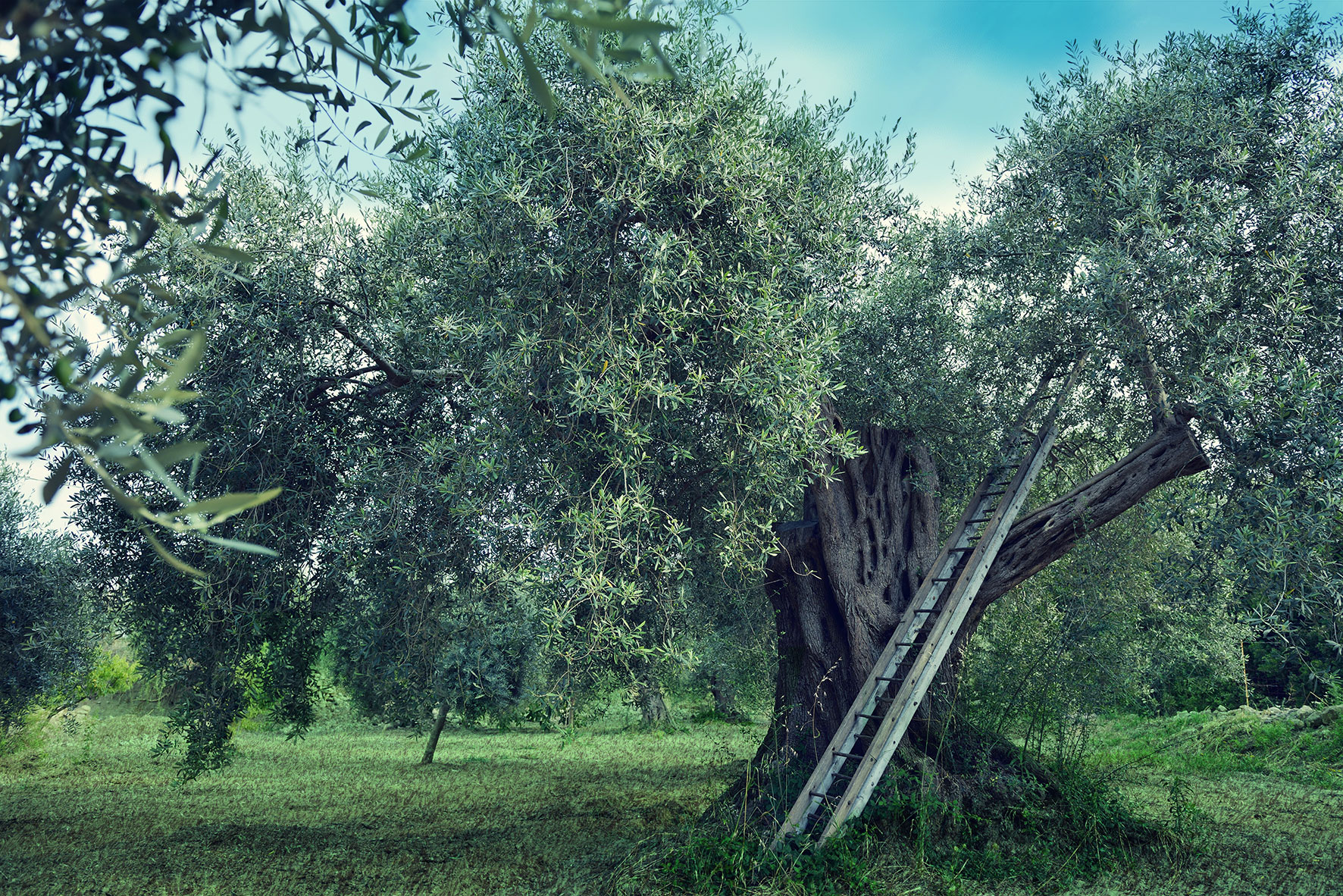
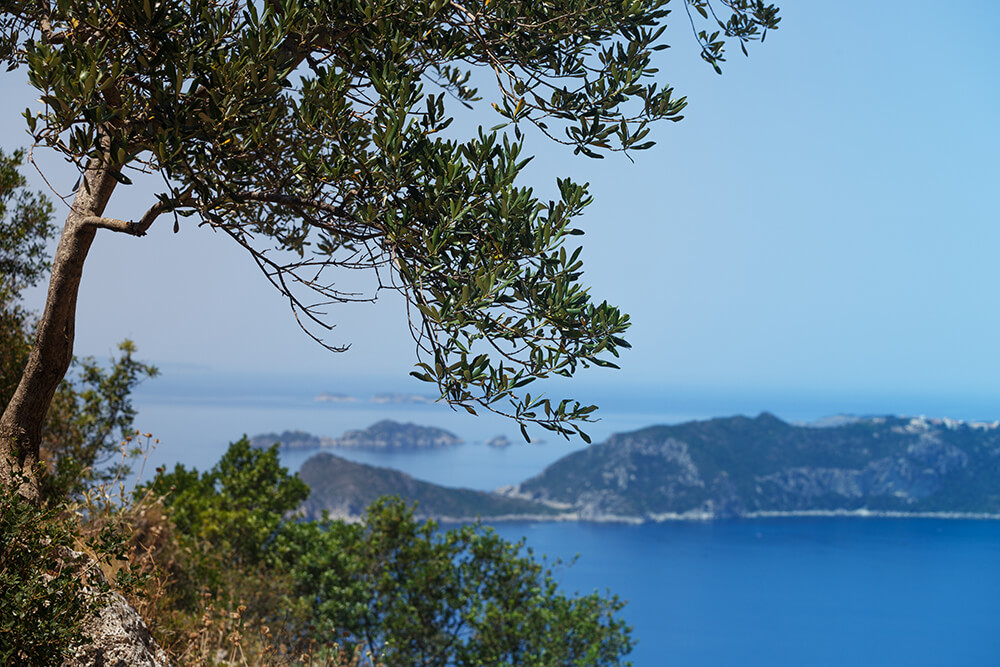
In Corfu, the olive tree, the most sacred tree of the Greeks, has flourished since the time of Homer. In the Odyssey there is a reference to King Ulysses who covered his naked body with an olive branch, when he found himself shipwrecked on the shore of the famous island of the Phaeacians.
Rhapsody H of the Odyssey also mentions the olives that the king of the Phaeacians, Alkinoos, had in the garden of his palace, and this reference is considered the oldest “assumption” for the existence of the tree on the island.
This is Lianolia, the small-fruited variety that has been growing and “blooming” for thousands of years on the green island of Corfu.
Its cultivation, however, became intensive during the Venetian occupation. The Republic of Venice left its strong marks on the land of Corfu. The most important of these was the transformation of the whole island into a huge olive grove.
THE CORFIOT TRADITION OF OLIVE OIL MAKING
The first information, however, which shows the importance that the Venetians attached, both in the consumption and mainly in the trade of olive oil and in its use in the soap factory of Venice, comes to us from the 14th century.
From the 16th century, we now have information from the State Archive of Venice, while from the 17th and 18th century olive oil was the product that connected more than anything else the economy of Venice with the agricultural production of Corfu.
For centuries, the life of the island and its people have been inextricably linked to Lianolia. Because it was this little olive tree that fed them in difficult times. The whole intangible cultural heritage of the island: customs and traditions, traditional songs and dances, folk art creations emerge with the aroma of an olive tree.
“It is good to have the olives that make the oil, and shine of my love to embroider at night”, a folk song of Corfu.
Until the 1950s there were about 1,000 olive mills operating on the island. From the 1970s onwards, the cultivation of olive trees became sluggish until today, when new producers, such as Eleni Marketis, came to give it the kiss of life!